

Monitoring systems › Structural and Motion Monitoring › Foundation Monitoring System
Structural and motion monitoring
Foundation Monitoring System (FMS)
The condition of an offshore wind foundation, measured continuously: scour, corrosion, leaks, water level, strain and the loads acting on it.
The WISE Group Foundation Monitoring System (FMS) brings the sensors that follow a foundation’s condition into one system, running on DADAS, for offshore wind turbines and substations. It gives operators real-time data on the conditions at the asset, gives the owner a long-term record of how the foundation is holding up, and gives the O&M team the basis for planning routine and extraordinary work. In specifications it is often called a condition monitoring system (CMS), or CMS/FMS.
What the system is for
A foundation is inspected at intervals, but its condition changes all the time. The FMS records that condition between inspections, so a change shows up when it happens rather than at the next survey.
The system provides
- Real-time data for local operators on the conditions during normal operation
- Long-term statistics for the owner on the condition of the asset
- Input and background data for planning regular and extraordinary O&M work
- Data shared with other users, on the asset or onshore
Not drivetrain monitoring
Looking for turbine condition monitoring?
Condition monitoring of the drivetrain, bearings and blades is normally supplied with the turbine. The FMS covers what the turbine stands on: the foundation and substructure, on turbines and substations, and the conditions around them.
For how the structure moves and vibrates, see the Structural Health Monitoring System.
The measurements
What the system measures
Each system is built from the measurements its project specification calls for. A typical foundation monitoring system draws on these.
Scour
Scour around the foundation, tracked over time so a change shows up between seabed surveys.
Corrosion
Corrosion sensors on the structure, logged continuously so the condition of the steel is recorded rather than assumed.
Pressure and leak detection
Pressure monitoring and leak detection, logged and alarmed in the same system as everything else.
Water level and water quality
Water level and water quality sensors, where the specification calls for them.
Strain
Structural sensors and strain gauges where stress has to be measured directly.
Motion and inclination
Three-axis accelerations, inclination and vibration, from a WISE AIM motion sensor. For full structural dynamics across several sensors, see SHMS.
Environmental loads
Wind, meteorological, current, tide and wave sensors: the conditions the foundation is responding to.
Pollution and oil spill
Pollution and oil spill monitoring around the installation.
Compliance
Built to the specification that applies
A foundation monitoring system is designed to the project specification, the national regulations where it is installed, and the owner’s own safety standards. They are rarely the same three things, so the scope is settled at the specification stage, before anything is priced.
The project specification
What this asset’s scope of supply says the system must measure and report.
National regulation
The rules of the country of installation, such as BSH in Germany, and the de facto standards that apply elsewhere.
The owner’s own standards
The dedicated specifications offshore wind farm owners and operators write for their own assets.
Software
Running on DADAS
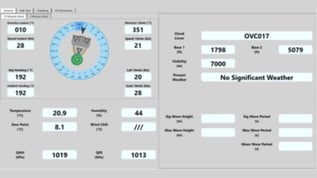
DADAS has been developed for monitoring applications like this since 1992, with displays designed together with experienced system users. It keeps the full record for later analysis and investigation, and gets the data to the people onshore who need it.
What the software gives you
- Clear displays of the data that matters to wind farm operations
- Automatic or manual reports, sent electronically to owners and operators onshore
- Long-term data logging for later analysis or investigation
- Trend and history displays set up for each user
- Connection to a LAN or the internet for data distribution and web access
- Data exchange with other systems in Modbus, SNMP, NMEA and other formats
- Free-standing, rack-mounted, built into other packages, or on a virtual server
How a system builds up
Every system is tailor-made to the project and built to be expanded, so new sensors, users or requirements are added later rather than triggering a replacement.
A configuration builds up in steps
Core
Foundation condition
- The condition sensors the specification calls for: scour, corrosion, leak detection, water level, strain
- Data acquisition and display on DADAS
- Remote access and reporting to shore
Add
Load record and motion
- Wind, meteorological, current, tide and wave sensors
- Motion and inclination from a WISE AIM motion sensor
Extend
A wider monitoring scope
- The Structural Health Monitoring System on the same asset
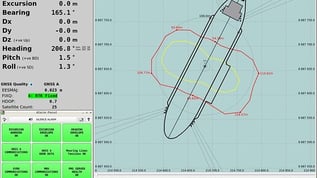
- A full environmental monitoring scope, with MetOcean, anchor tension or excursion monitoring
- Data exchange with other marine or structural systems, to avoid duplicated instruments and cost
Two systems, two questions
FMS or SHMS?
The FMS asks whether the foundation is deteriorating: scour, corrosion, leaks and strain, with motion and inclination from an AIM sensor. The SHMS asks how the structure is responding: several AIM sensors across the structure, modal behaviour and displacement. Many assets need both, and the two can run side by side.
Integration
Shared with the helideck system
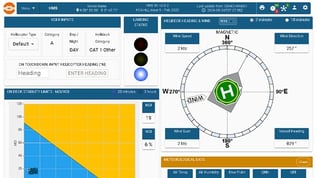
On a substation with a Helideck Monitoring System, both systems can read the same instruments: no duplicated equipment, and no second set of readings to reconcile.
What it gives the operator
Changes seen between surveys
Scour, corrosion or a leak shows up as a trend when it starts, not at the next inspection.
O&M planned on data
Maintenance visits and extraordinary work are planned from the recorded condition of the asset.
Built to the rules that apply
The project specification, the national regulation and the owner’s own standards, covered in one scope.
Room to grow
Sensors, users and new requirements are added to the same system as the asset’s needs change.
After handover
Support for the life of the foundation
A condition record is only useful if it is continuous. Gaps in the data are gaps in the evidence, so the delivery does not end at handover.
- More than 30 years in offshore monitoring
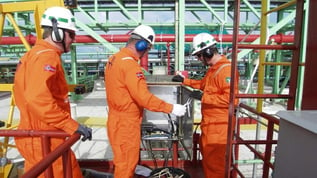
- Installation support and commissioning
- Annual service with on-site system verification, and sensor calibration arranged with the manufacturer or a certified laboratory
- Operator and technical training, on site or onshore
Where to next
The Foundation Monitoring System sits in Structural and Motion Monitoring, one of six monitoring areas WISE Group delivers.
In this area: Structural Health Monitoring · Life Extension Monitoring (oil and gas) · Vessel Motion Monitoring · Hull Stress Monitoring
Related systems: MetOcean and weather monitoring · Helideck Monitoring · Excursion monitoring
Also useful: DADAS software · Offshore wind · The WISE AIM motion sensor · Sensors and instruments · Service and support
Useful to include
- The foundations and substations to be monitored
- The project specification and the national rules that apply
- What is already installed: weather, helideck or structural systems
What happens next
We confirm what the system has to measure, before anything is priced.
We define the sensors, their positions and the DADAS setup.
You get a scope for supply, installation and service.
Get in touch
Tell us about the foundations, the specification and what is already installed, and we will come back on what the system would need to measure.
You can also contact us directly.