
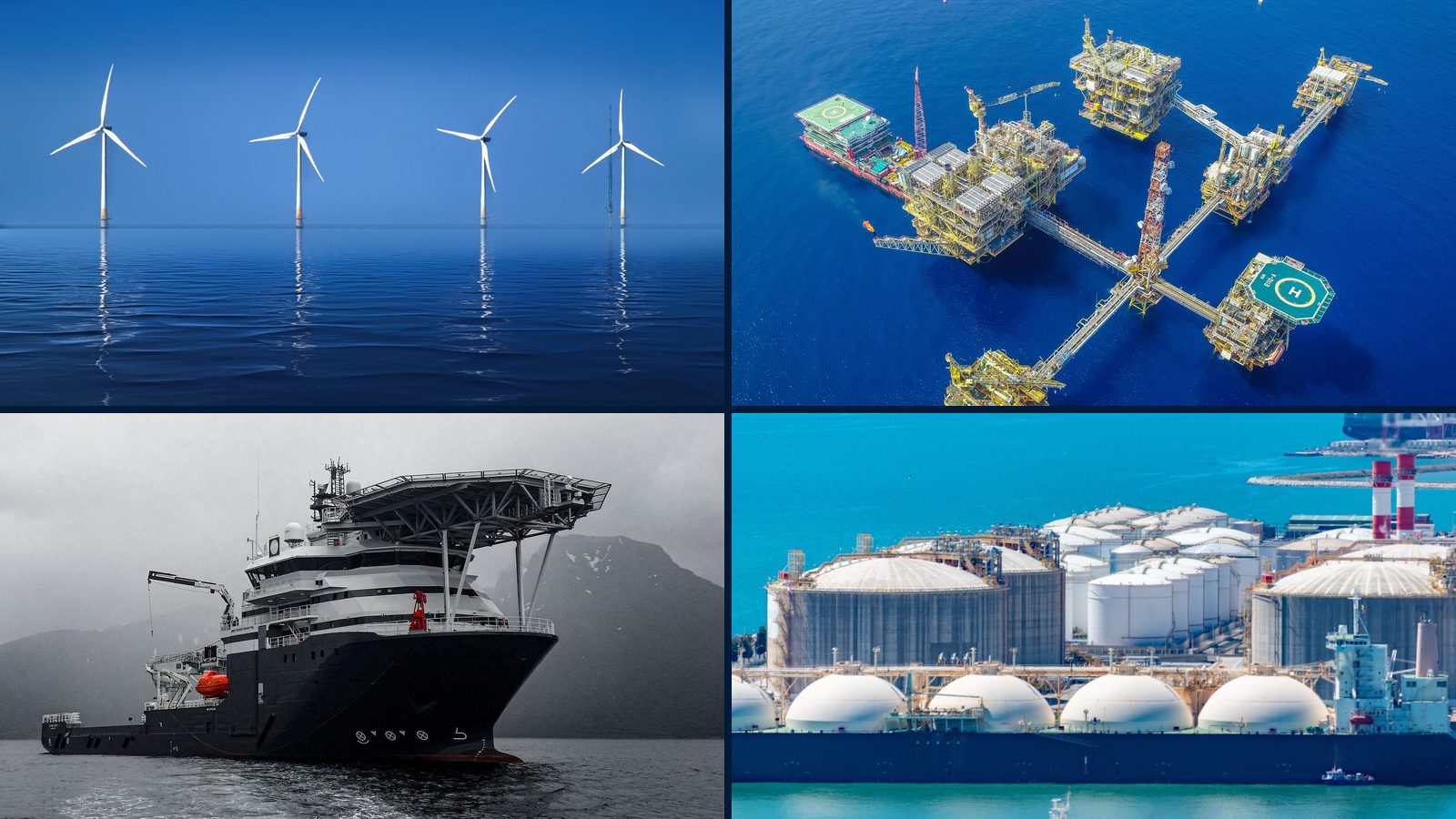
The four we work on most
These are the assets that make up the greater part of our work.
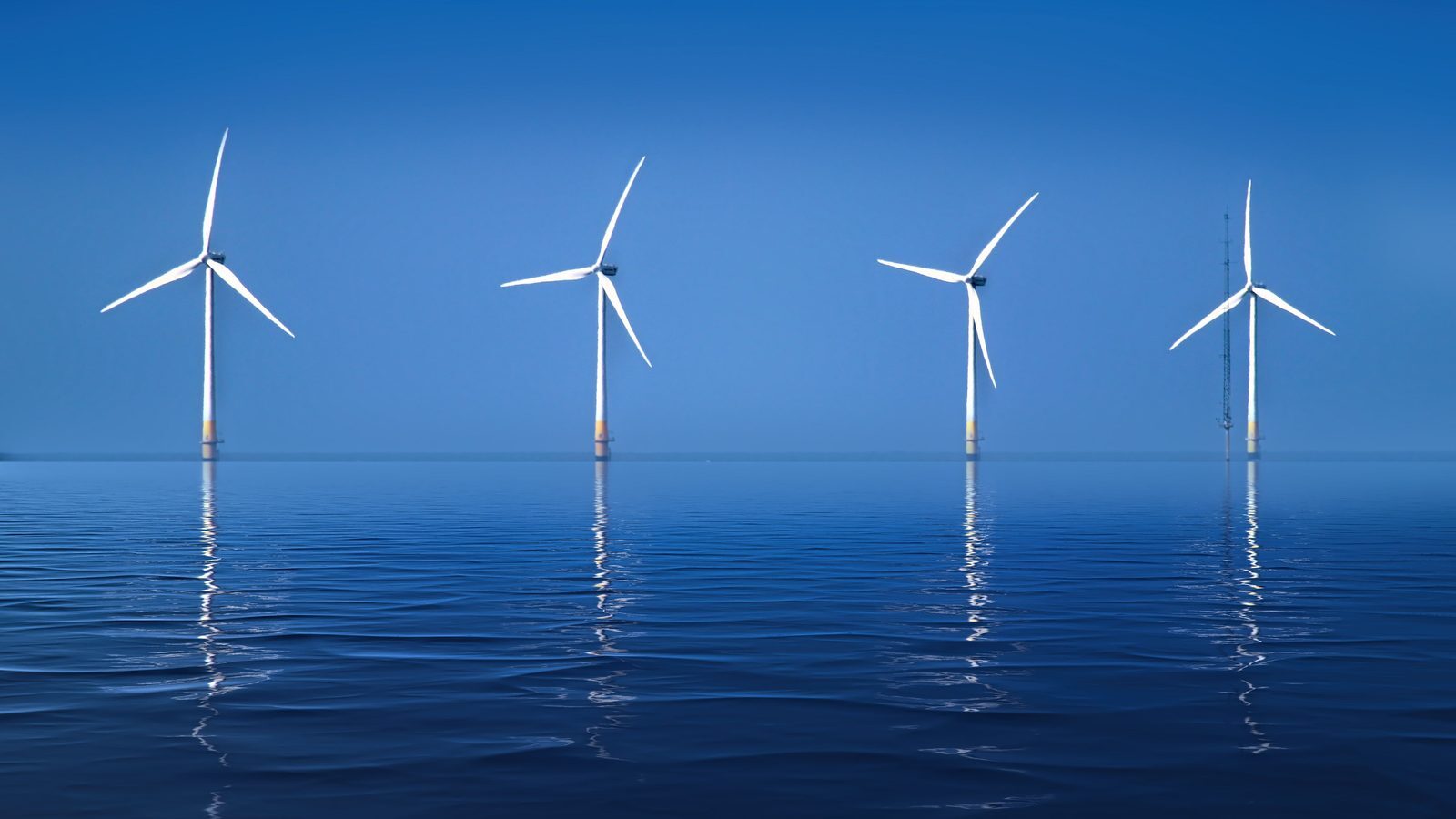
Substations · Met masts · Floating foundations
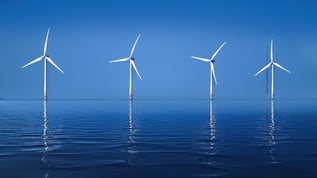
Offshore wind
WISE Group came to offshore wind in 2012 after three decades of MetOcean work in the North Sea, and much of what the industry needed was already familiar: instruments that keep reporting through a winter of storms, and data a decision can rest on. What was new was the length of the record. A wind farm measures the sea for the consent it was granted as well as for the work in front of it, so a reading taken today may have to stand up years from now.
On substations and met masts we deliver the weather and oceanographic picture that decides whether a technician transfers and a crane lifts, with helideck monitoring where the asset carries a deck and structural and motion monitoring on the foundations. With our partners we record bird and bat activity against the conditions, and site data can be shared securely through Orbalux, so a forecast provider can run its model on the conditions at the site itself.
Explore offshore wind →
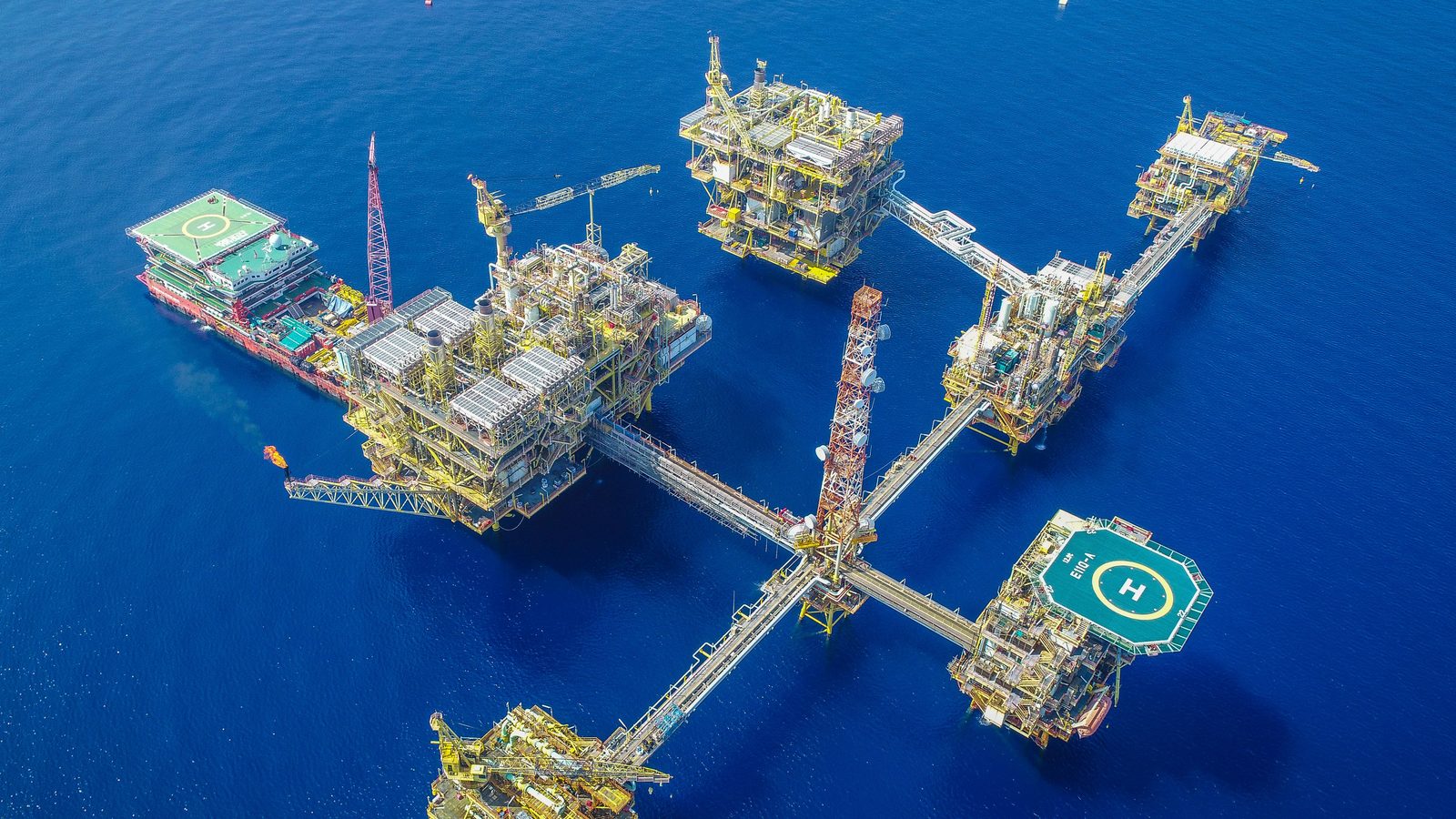
Platforms · FPSOs · Drilling rigs
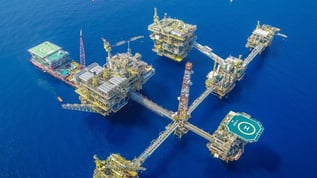
Oil and gas
Oil and gas is where WISE Group began. Our roots go back to a first offshore MetOcean deployment in the North Sea in 1980, and the DADAS software we launched in 1992 has been collecting and presenting offshore weather data ever since. Petrobras has adopted DADAS PB as the standard MetOcean software for all its assets in Brazil.
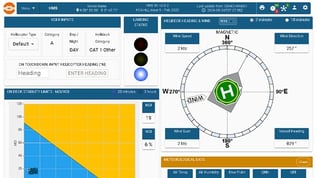
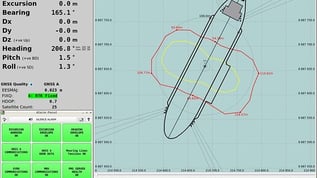
Helideck monitoring grew out of the same work. The software carries a separate code base for each regime, CAP 437 in the UK, BSL D 5-1 in Norway and NORMAM-223 in Brazil, so each installation is configured to the rules it is approved under. Around it sit position and mooring monitoring on floating production, berthing aid for tankers and, since RUP Ltd joined the group in 2024, telemetry and SCADA for remote and unmanned installations. On large FPSO projects we are often the monitoring supplier inside a bigger package, working to a system integrator, an EPC contractor or a yard.
Explore oil and gas →
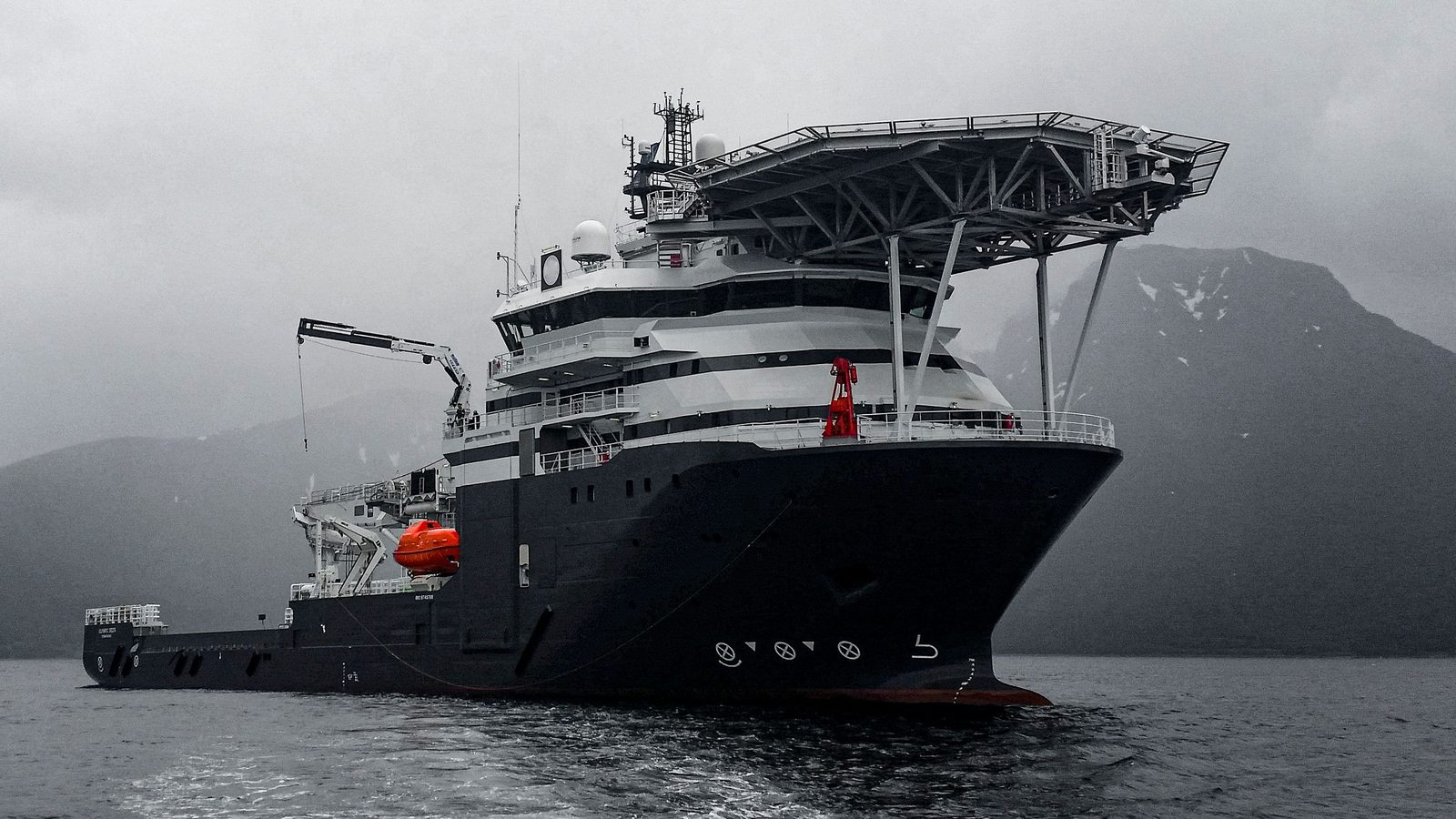
Vessels · Barges · Installation fleets
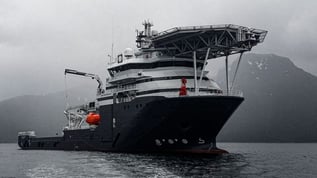
Marine and vessels
On a vessel the sea is only half of the measurement. The other half is how the vessel itself responds, because motion at the deck, the crane tip or the gangway is what decides whether an operation starts and whether it should stop. WISE Group has supplied monitoring to vessel operators, and to the yards that build and convert their vessels, for over 30 years.
The work is in bringing motion at six degrees of freedom, weather and sea state, current through the water column and camera coverage into one system and onto the displays already on board, rather than adding another box to the bridge. Our camera range grew in 2024, when WISE Group acquired the assets of Scout CCTV and its rugged cameras for offshore and maritime use. Much of our vessel work comes through newbuild and conversion projects, and service visits are planned around where the vessel will be.
Explore marine and vessels →
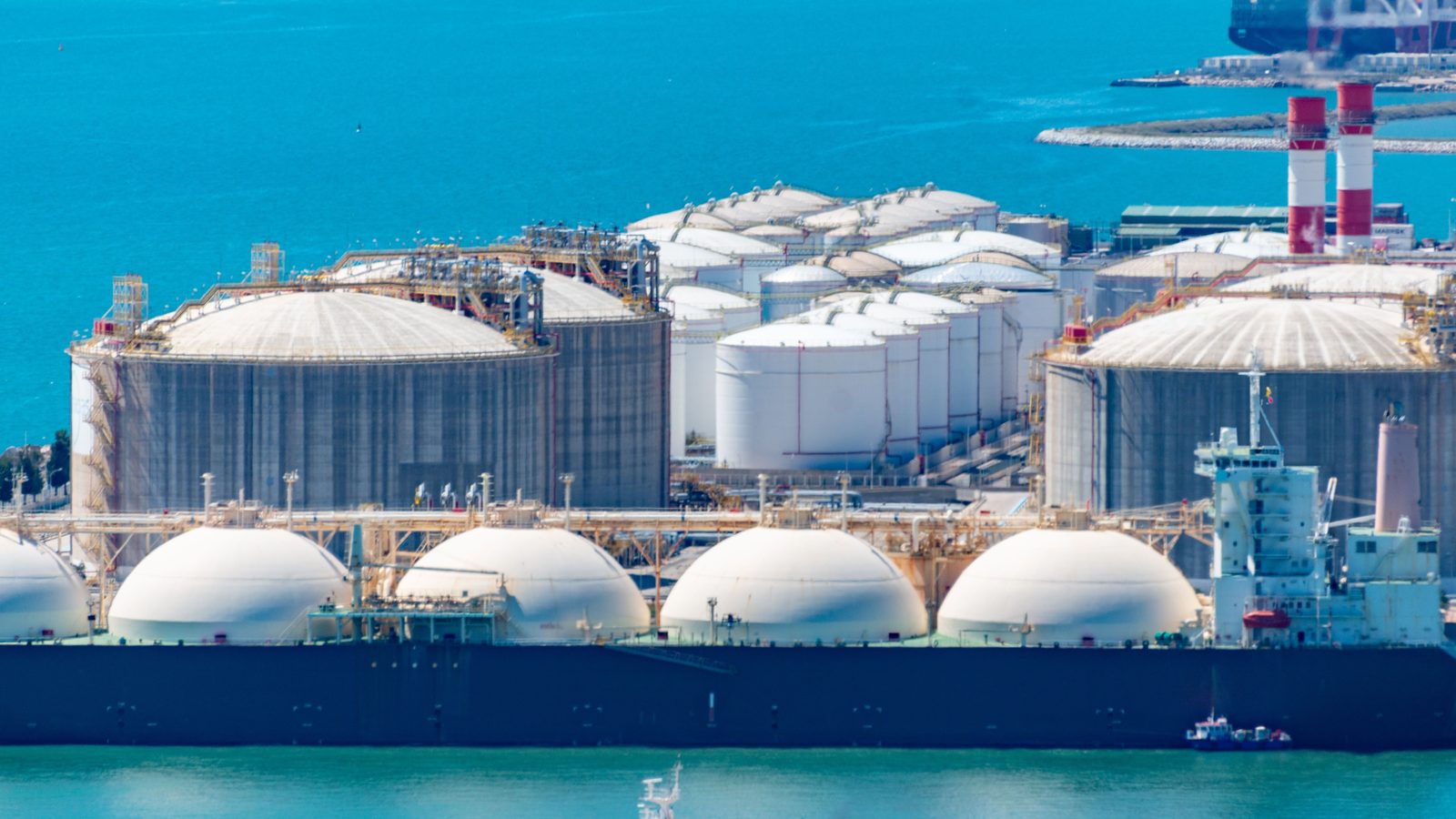
Jetties · Loading and receiving terminals
LNG and terminals
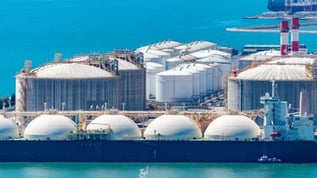
Terminal work sits on the same foundations as our offshore work: instruments that keep reporting in salt air and weather, and data presented to the people making the decision rather than to a logger nobody reads. At a jetty those people are several at once. The pilot, the jetty team and the control room each need the same conditions in a different form, read at the berth itself rather than somewhere convenient nearby.
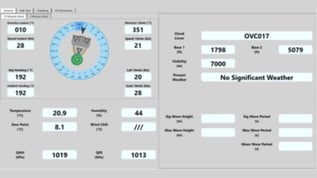
So we measure wind, visibility, pressure and temperature at the berth, wave and swell alongside and current through the approach channel, add helideck monitoring where the terminal has a deck, and bring squall warnings from weather radar into the same system. Terminal projects commonly run through an EPC contractor or a system integrator, which makes commissioning around a live operation as much a part of the job as the instruments.
Explore LNG and terminals →