

Industries › Marine and vessels
Industries
Marine and vessels
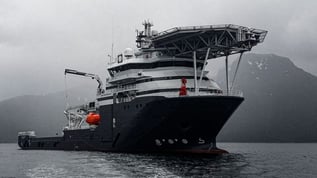
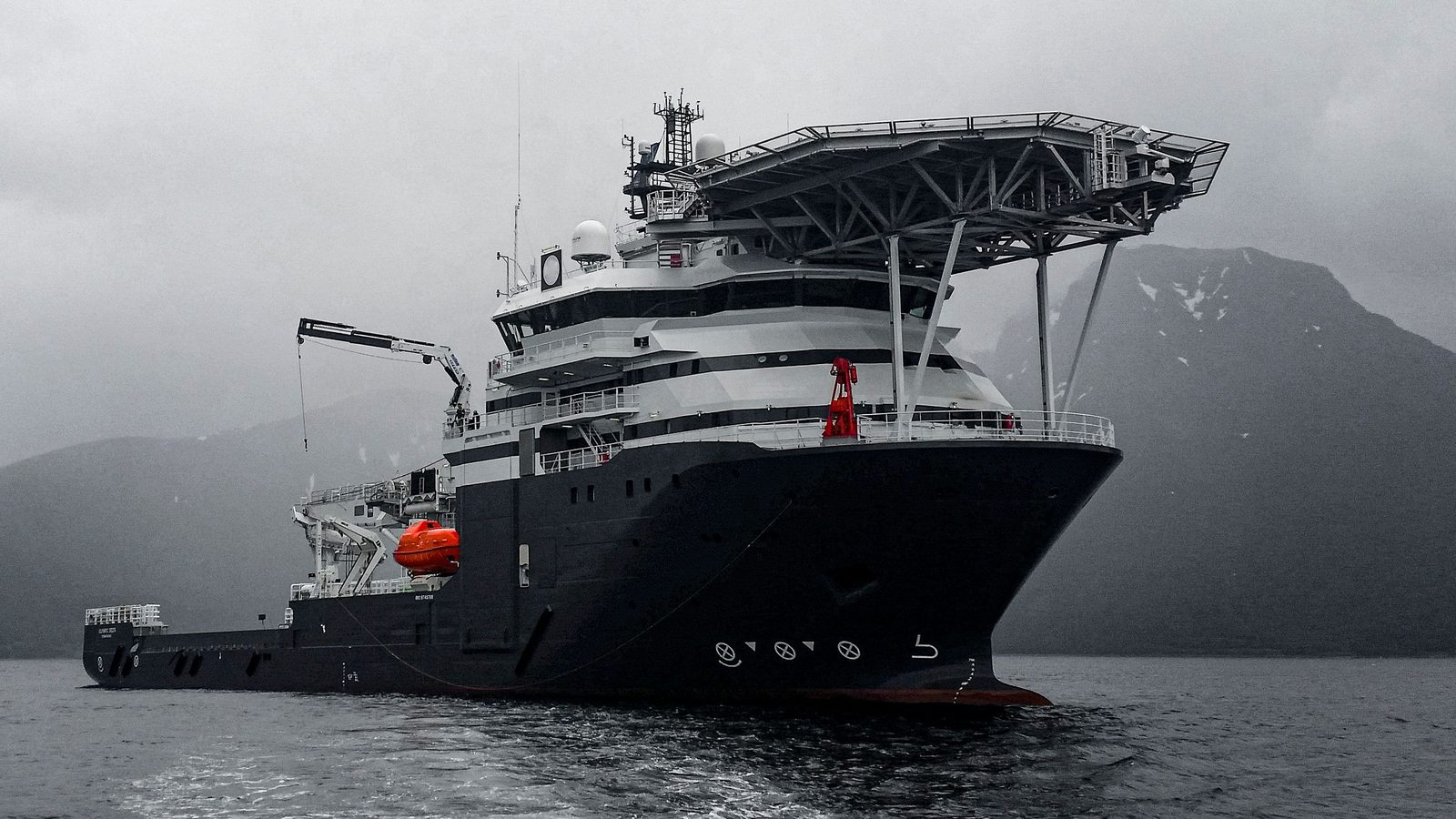
Monitoring for vessels, barges and installation fleets, at sea and alongside.
A vessel measures its own behaviour as well as the sea it is working in. Motion at the deck, at the crane tip or at the gangway is what decides whether an operation can start, and whether it should stop.
WISE Group engineers, delivers and supports that scope as one system: motion, weather and sea state, camera coverage, and the interfaces into the systems on board that already have to be fed.
What has to be measured here
What a vessel needs to measure follows the work it is there to do, and most of it has to be available on the bridge and at the point of operation at the same time.
Motion at six degrees of freedom
Heave, pitch, roll, surge, sway and yaw, at the positions that matter for the operation rather than only at the centre of the vessel.
Weather and sea state
For the operation itself: wind, wave, current and visibility.
Current through the water column
Where the work is subsea or a tow is under way.
Camera coverage
Covering decks, cranes, gangways and the places people cannot safely stand.
Motion and structural response
On barges and installation spreads working under load.
Typical systems on these assets
These are the areas a marine scope usually draws on. Most deliveries combine more than one of them into a single system.
Vessel motion monitoring
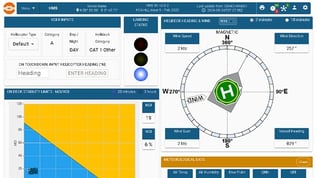
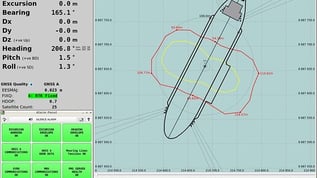
Vessel Motion Monitoring Systems measure motion at six degrees of freedom and present it where the operation is actually being run from.
Explore →
MetOcean and weather monitoring
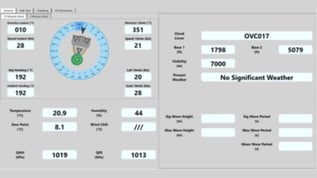
Wind, wave, current, visibility and air and sea conditions, engineered and presented as one Environmental Monitoring System.
Explore →
Current measurement
Current sensors measure the current profile through the water column and feed the same system as the wind, wave and motion readings.
Explore →
Visual monitoring
Camera systems for decks, cranes and gangways, including the marine and crane camera ranges built for these conditions.
Explore →
How WISE Group works on these assets
WISE Group has supplied monitoring to vessel operators, and to the yards that build and convert them, for over 30 years. On a vessel the constraints are usually space, power and the number of screens anyone will actually look at. So most of the work is in bringing motion, weather and camera data into one system and into the displays already on board, rather than adding another standalone box to the bridge.
On newbuild and conversion projects WISE Group is often the monitoring supplier inside a larger package, working to a yard, a system integrator or an owner's site team, with the interface definition, documentation, factory acceptance testing and delivery coordination that implies.
Afterwards the same team keeps the system running: spares, service visits planned around where the vessel will be, and on-site system verification, in which installed sensors are compared against recently calibrated reference sensors brought to the vessel. Calibration itself is a laboratory activity, and we manage those returns on your behalf with the manufacturer or a certified laboratory.
Scoping
What we will need to know
Most enquiries arrive as a specification rather than a blank sheet. These are the points that decide the scope.
- Which operations the data has to support, and the motion or weather limits set against them
- Where motion has to be known: the deck, the crane tip, the gangway, or a particular piece of equipment
- Which displays and systems already on board the data has to reach
- Whether this is a newbuild, a conversion, or a retrofit to a vessel in service
- Where the vessel operates, and what that means for service access
- Area classification, and any Ex requirements
Tell us those and we will come back with a system description you can put into a specification.
Where to next
Marine and vessels is one of four asset types we work on most. Every system named on this page is described in full in the Systems section.
In this area: Industries overview · Offshore wind · Oil and gas · LNG and terminals
Related systems: Vessel Motion Monitoring · MetOcean and weather monitoring
Also useful: Motion sensors · AIM Embedded Software · Sensors · Service and support
Useful to include
- Which operations the data has to support, and the limits set against them
- Where motion has to be known: the deck, the crane tip or the gangway
- Whether this is a newbuild, a conversion or a retrofit
What happens next
We review the asset and the monitoring requirement.
We define the systems, sensors and interfaces.
You get a system description and a scope for delivery and support.
Get in touch
Tell us about the vessel and the operations the data has to support, and we will come back with a system description you can put into a specification.
You can also contact us directly.