

Industries › LNG and terminals
Industries
LNG and terminals
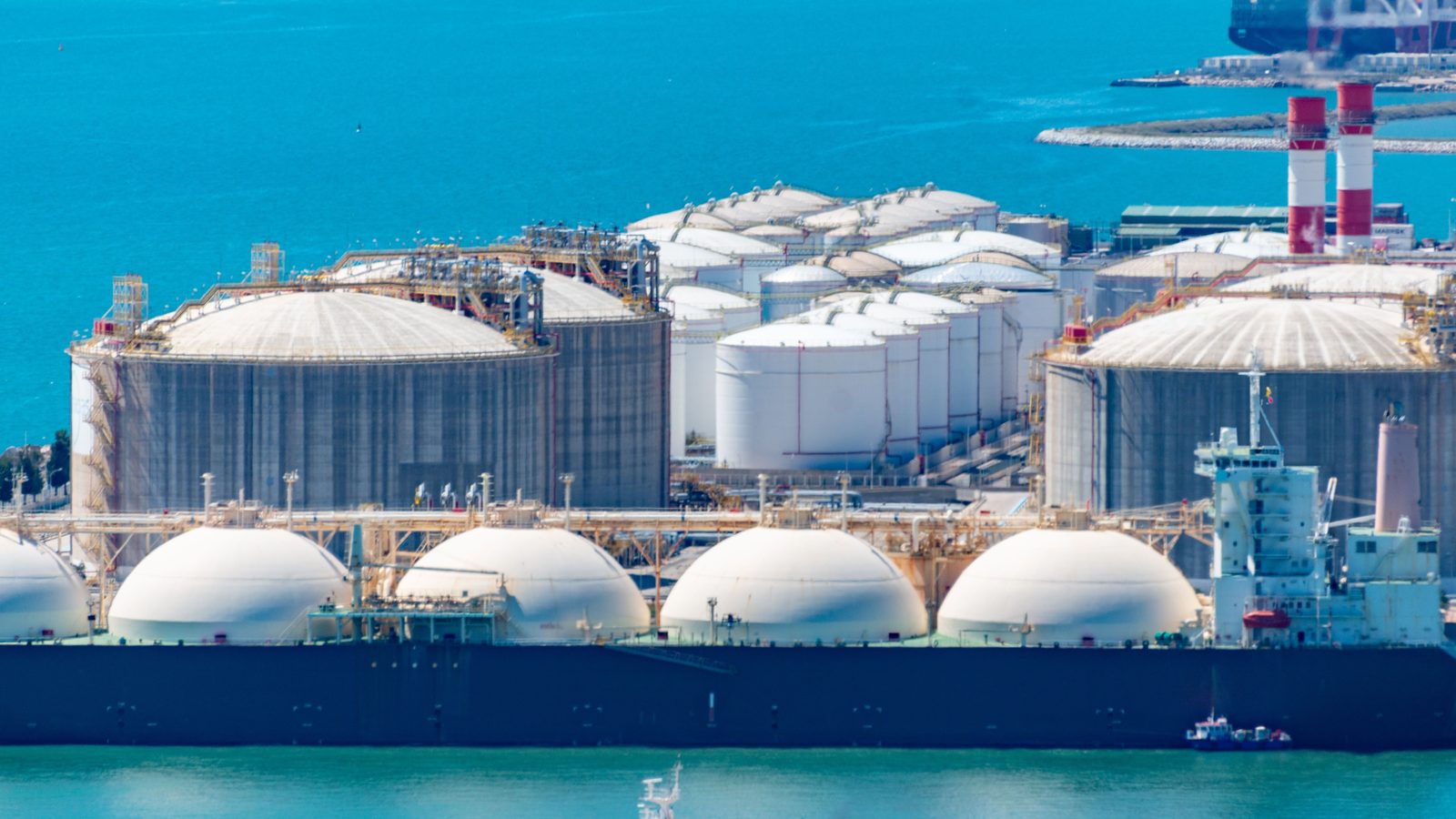
Monitoring for jetties, loading and receiving terminals, and the approaches to them.
A terminal's monitoring system exists to answer two questions repeatedly: can the ship come alongside, and can loading continue. Both are answered from conditions read at the berth itself rather than somewhere convenient nearby.
WISE Group engineers, delivers and supports that scope as one system: weather and sea state at the berth, current through the approach channel, helideck conditions where the terminal has a deck, and the interfaces into the terminal systems that already run the operation.
What has to be measured here
A terminal measures at the point of contact. Wind on the jetty is not wind at a met mast half a kilometre away, and an approach is judged on what the current is doing in the channel today.
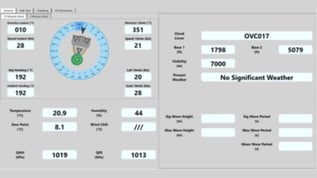
Wind, visibility, pressure and air and sea temperature at the berth
For berthing and loading windows.
Wave and swell at the berth
Wave and swell stop a loading operation as often as wind does.
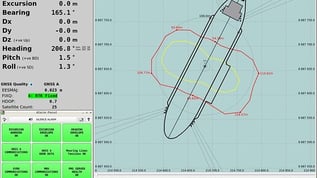
Current profile
In the approach channel and at the berth.
Squall warning
Where sudden wind events are a known risk to an operation in progress.
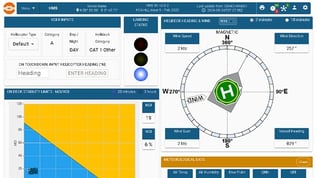
Helideck conditions
Where the terminal carries a deck, presented the way the approving regulation requires.
Camera coverage
Covering the jetty, the loading arms and the approach.
Typical systems on these assets
These are the areas a terminal scope usually draws on. Most deliveries combine more than one of them into a single system.
MetOcean and weather monitoring
Wind, wave, visibility and air and sea conditions at the berth, engineered and presented as one Environmental Monitoring System.
Explore →
Helideck and aviation monitoring
Where the terminal carries a deck, the Helideck Monitoring System reports and records the conditions a helicopter has to land in, to the standard the deck is approved under.
Explore →
Current measurement
Current sensors measure the current profile through the water column, in the approach channel and at the berth, and feed the same system as the weather and sea-state readings.
Explore →
Visual monitoring
Camera systems covering the jetty, the loading arms and the approach, in the conditions a terminal actually works in.
Explore →
How WISE Group works on these assets
Terminal work sits on the same foundations as WISE Group's offshore work: instruments that keep reporting in salt air and weather, and data presented to the people making the decision rather than to a logger nobody reads. On a terminal that usually means several audiences at once. The pilot, the jetty team and the control room each need the same conditions in a different form, and the system has to serve all three without anyone translating between them.
Terminal projects commonly run through an EPC contractor or a system integrator rather than directly with the operator, so interface definition, documentation, factory acceptance testing and commissioning around a live operation carry as much weight as the instruments themselves.
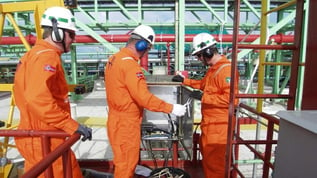
Afterwards the same team keeps the system running: spares, service visits, and on-site system verification, in which installed sensors are compared against recently calibrated reference sensors brought to site. Calibration itself is a laboratory activity, and we manage those returns on your behalf with the manufacturer or a certified laboratory.
Scoping
What we will need to know
Most enquiries arrive as a specification rather than a blank sheet. These are the points that decide the scope.
- The berth layout, and where instruments can physically be mounted
- Which operations the data has to authorise, and the limits set against them
- Who has to see the data while a vessel is berthing or loading, and where they are standing
- Which terminal systems the data has to reach, and in what format
- What the approach channel is like, and whether current is measured there today
- Whether the terminal carries a helideck, and which regulation it is approved under
- Area classification, and any Ex or hazardous area requirements
Tell us those and we will come back with a system description you can put into a specification.
Where to next
LNG and terminals is one of four asset types we work on most. Every system named on this page is described in full in the Systems section.
In this area: Industries overview · Offshore wind · Oil and gas · Marine and vessels
Related systems: MetOcean and weather monitoring · Squall Warning System · Forecasting Weather Systems · Tanker Berthing Aid System
Also useful: Current sensors · Weather radar · Sensors · Service and support
Useful to include
- The berth layout, and where instruments can be mounted
- Which operations the data has to authorise, and who has to see it
- Whether the terminal carries a helideck, and which regulation applies
What happens next
We review the asset and the monitoring requirement.
We define the systems, sensors and interfaces.
You get a system description and a scope for delivery and support.
Get in touch
Tell us about the terminal, the berth and who needs the data during berthing and loading, and we will come back with a system description you can put into a specification.
You can also contact us directly.