







Monitoring systems › Position and Mooring Monitoring › Tanker Berthing Aid System
Position and mooring monitoring
Tanker Berthing Aid System (TBAS)
Position, heading and motion through the approach, hook-up and disconnection.
The RUP Tanker Berthing Aid System gives the Master and the FPSO the same view of where the tanker is and how it is moving, at every phase of an offloading operation.
It is built on the RUPDB software suite and uses a dual-antenna GNSS receiver with a motion reference unit, which measures heading directly rather than inferring it from the vessel’s track.
What it gives you
Accuracy the approach can be run on
A dual-antenna GNSS receiver with a 6-axis motion reference unit, giving position, heading and motion to the precision berthing standards call for.
Seen where the decision is made
An Ex-rated tablet puts the display in the hands of the people on the tanker, wherever they are standing, alongside the FPSO’s own view of the same operation.
Alarms tied to the operation
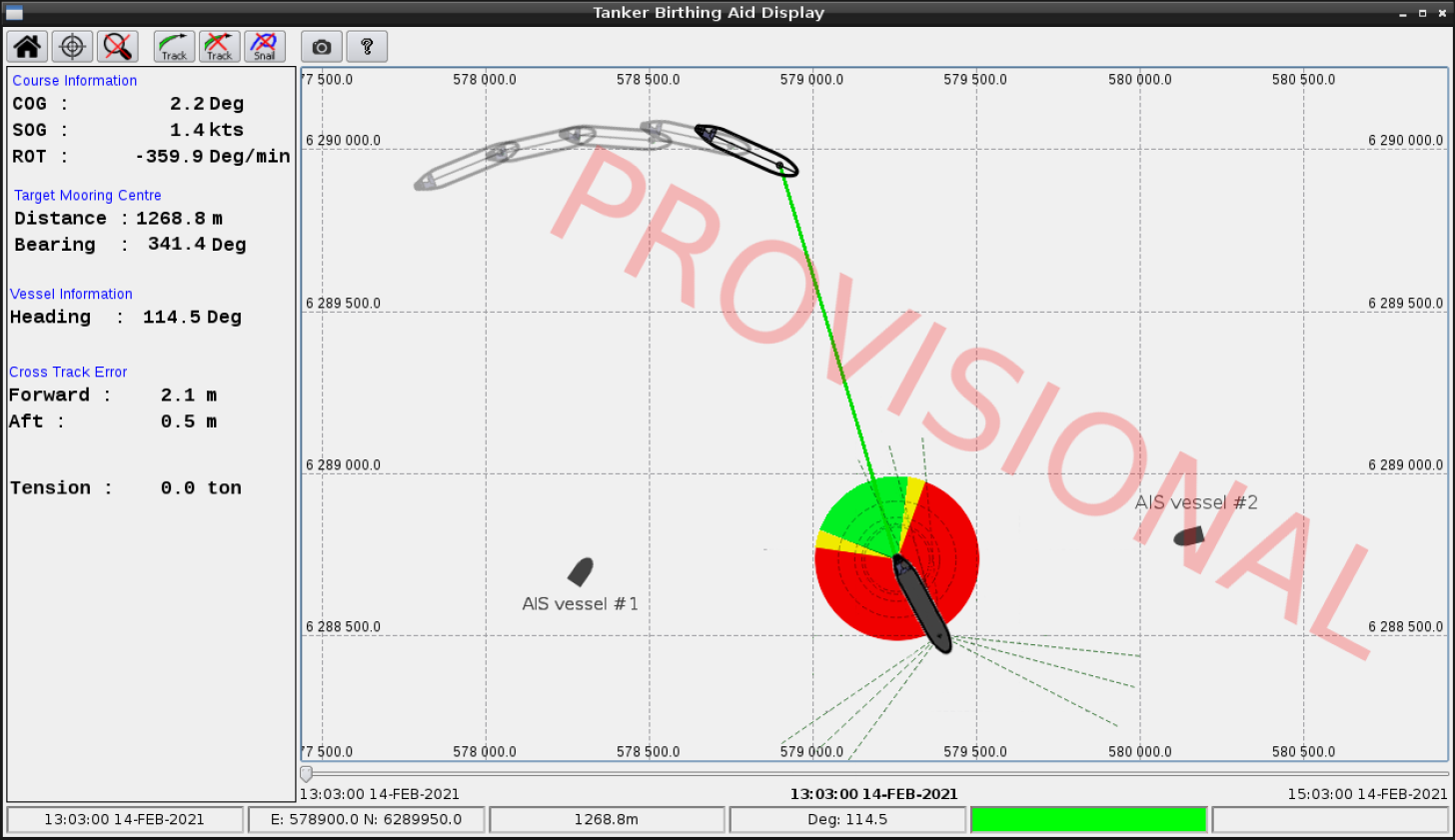
Out of Approach Sector, Hawser Tension and System Integrity Loss: alarms that describe what is going wrong with the berthing, not generic sensor thresholds.
Every approach on record
The TBAS server logs the operation at high resolution, so an approach can be replayed afterwards for investigation, review or training.
System overview
How the system is put together
The RUP TBAS is two parts: a portable unit that goes to the tanker, and the software the operation is watched on. Nothing has to be installed on the tanker for the system to work.
RUP Tanker Pod
A portable GNSS-based positioning unit with dual antennas and motion sensing, carried to the vessel in an IP67 transit case.
UHF mesh radio or 4G LTE
UHF mesh radio keeps the link reliable whatever the tanker’s orientation or approach angle. 4G LTE offers an optional direct connection to FPSO systems.
TBAS Display Software
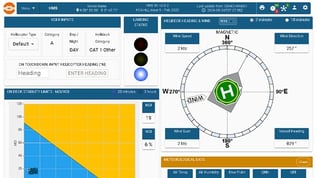
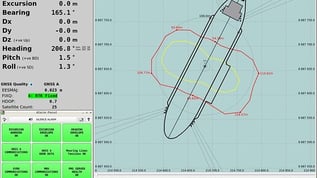
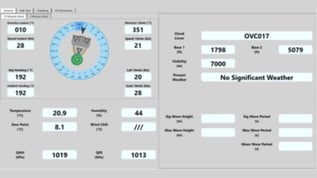
Data processing and display for situational awareness, showing vessel motions and environmental data in real time on the vessel, on the FPSO, or on both.
Component specifications
Two parts, specified separately: the unit that goes to the tanker, and the software the operation is watched on.
Tanker Pod
Encased in an IP67-rated transit case, featuring:
- Dual-antenna GNSS receiver
- 6-axis Motion Reference Unit
- WiFi hotspot and 4G LTE
- 48-hour battery runtime
- Alarm and status indicators
- Manual alarm override button
Display software
Runs on the vessel, on the FPSO, or on both:
- Vessel and environmental displays
- Integration with ICSS telemetry, AIS and hawser tension data
- Historic snail trail and ghost vessel motion displays
- Windows and Linux support, for deployment across desktops through to handheld tablets
- High-resolution data logging for playback
Applications
Where it is used
The RUP Tanker Berthing Aid System supports the safety and efficiency of tanker and FPSO berthing and offloading operations, aiding operators and Masters through each phase of the approach. It gives a high level of situational awareness, helping reduce the risks of the dynamic environment of offshore offloading.
Approach
Position and heading against the approach sector, with an alarm when the tanker leaves it.
Hook-up
Motion and hawser tension watched by the Master and the FPSO together.
Disconnection
The same shared view until the tanker is clear, with the whole operation logged for replay.
Where it is the FPSO’s own station-keeping that needs watching rather than the approaching vessel, that is covered by the RUP Excursion Monitoring System.
Where to next
The Tanker Berthing Aid System sits in Position and Mooring Monitoring, one of six monitoring areas WISE Group delivers.
In this area: RUP Excursion Monitoring System: station-keeping against an excursion envelope, with mooring line tension as an option · Pipeline Telemetry System
Related systems: Vessel Motion Monitoring · MetOcean and weather monitoring · Visual monitoring
Also useful: RUPDB SCADA software · Sensors and instruments · Service and support
Useful to include
- The field and the FPSO
- The tankers that call and the offloading arrangement
- Any ICSS, AIS or hawser tension data to integrate
What happens next
We confirm the operation, and the alarms and data feeds that apply.
We define the display setup: on the vessel, the FPSO or both.
You get a scope, with a demonstration of the display software if useful.
Get in touch
Tell us about the field, the tanker and the offloading arrangement, and we will come back on what a system would need to cover. We can also arrange a demonstration of the display software.
You can also contact us directly.